
Emaia

January 29, 2025

Uncategorized

The Evolution of Third-Party Risk Management: Why It Matters More Than Ever

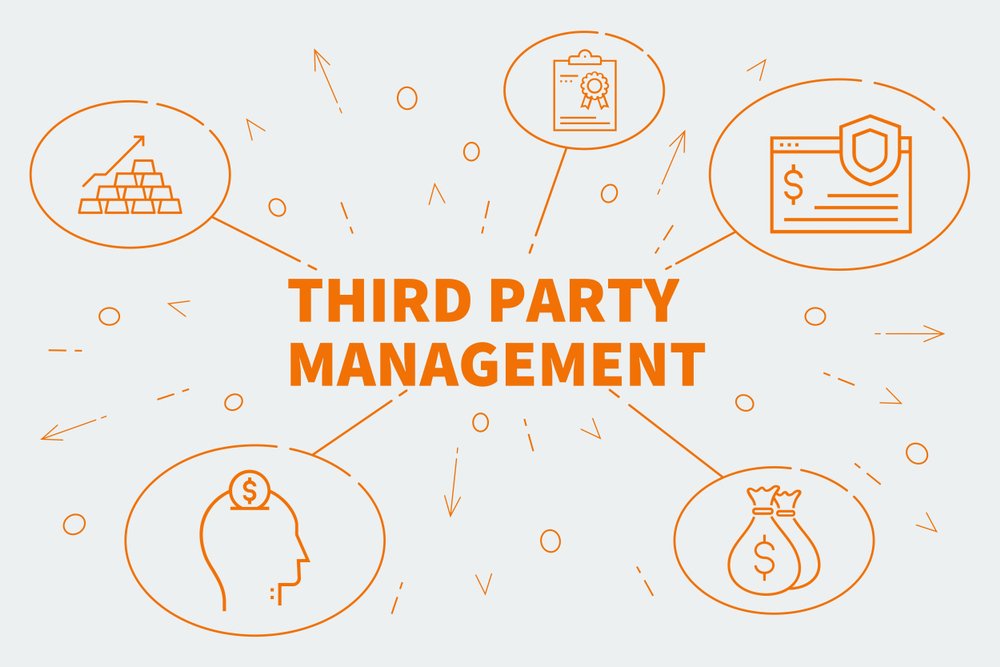
In today’s interconnected world, businesses are more reliant than ever on third-party vendors and service providers to drive innovation, efficiency, and growth. From cloud services to supply chain partners, these relationships are critical—but they also come with risks. That’s where Third-Party Risk Management (TPRM) becomes indispensable. TPRM is no longer just a compliance requirement; it’s a business imperative. With rising regulatory scrutiny, growing cybersecurity threats, and increasingly complex vendor ecosystems, organizations must proactively manage third-party risks to safeguard their operations and reputation. The Importance of TPRM in a Digital Age Third-party risks can manifest in many ways, from data breaches and non-compliance penalties to supply chain disruptions and reputational damage. Consider these key statistics: With stakes this high, effective TPRM isn’t optional—it’s essential for survival in today’s competitive, digital-first environment. The Challenges of Managing Third-Party Risks Many organizations face significant hurdles when it comes to TPRM, including: How EMAIA Transforms the TPRM Process EMAIA is redefining third-party risk management by combining cutting-edge AI technology with a comprehensive, client-centric approach. Here’s how: 1. Comprehensive Initial Assessment We start by auditing your current TPRM ecosystem, identifying inefficiencies, gaps in compliance, and areas for improvement. This creates a solid foundation for success. 2. AI-Powered Risk Assessments Our platform automates vendor assessments, risk scoring, and compliance checks, significantly reducing manual effort while ensuring accuracy. 3. Centralized Vendor Management EMAIA consolidates all vendor data into a single dashboard, offering real-time insights into vendor performance, compliance status, and security posture. 4. Real-Time Monitoring and Alerts Proactive monitoring and automated alerts allow you to address risks before they escalate, keeping your operations secure and compliant. 5. Simplified Reporting and Audit Readiness EMAIA’s automated reporting tools ensure you’re always prepared for audits, with detailed insights into vendor compliance and risk levels. 6. Continuous Support and Training We provide tailored training for your teams, along with ongoing support to adapt to new regulations or evolving business needs. The EMAIA Advantage EMAIA goes beyond compliance—it empowers businesses to: Building a Resilient Future with TPRM The risks associated with third-party vendors are real, but so are the opportunities to manage them effectively. With the right tools and strategies, TPRM becomes a competitive advantage, enabling businesses to operate confidently in an increasingly complex world. EMAIA’s AI-driven platform is at the forefront of this transformation, delivering the efficiency, visibility, and security organizations need to thrive. Ready to take control of your third-party risks? Request a demo today and discover how EMAIA can simplify your TPRM process, strengthen your vendor relationships, and future-proof your business. By choosing EMAIA, you’re not just managing risks—you’re building a foundation for growth, trust, and resilience in an ever-changing landscape.
Uncategorized

EBA Guidelines: Rethinking Outsourcing in Financial Companies

The financial sector is under mounting pressure to meet ever-evolving regulatory demands, with outsourcing arrangements becoming a key area of focus. The European Banking Authority (EBA) Guidelines on Outsourcing Arrangements have set a clear framework to ensure that financial institutions manage outsourced services effectively and in compliance with regulatory requirements. But what exactly do these guidelines entail, and how can companies adapt to stay compliant in a complex, interconnected ecosystem? What the EBA Guidelines Demand The EBA Guidelines emphasize accountability and governance, requiring financial institutions to maintain robust oversight of outsourcing arrangements. Here are the core principles: Who is Affected by the EBA Guidelines? The EBA Guidelines apply to a broad spectrum of financial entities operating within the European Union, including: Additionally, third-country companies offering outsourcing services to EU-based financial institutions must also comply with these guidelines to continue their operations within the EU market. The Challenges of Compliance While the EBA Guidelines provide a clear framework, their implementation can be daunting for financial institutions. Key challenges include: For financial institutions, the cost of non-compliance is high—ranging from regulatory penalties to reputational damage. EMAIA: The Partner You Need for EBA Compliance EMAIA offers a powerful AI-driven platform designed to help financial institutions meet the EBA Guidelines with ease and precision. Here’s how EMAIA transforms the way you manage outsourcing arrangements: 1. Comprehensive Governance Support EMAIA helps you establish a robust governance framework, clearly defining roles and responsibilities for outsourcing decisions. 2. Risk Assessment Automation Our platform automates pre-outsourcing risk assessments, analyzing vendor performance, regulatory adherence, and potential vulnerabilities. 3. Centralized Outsourcing Registers EMAIA provides a centralized system to manage and update outsourcing registers, ensuring compliance with EBA reporting requirements. 4. Enhanced Monitoring of Critical Functions With real-time monitoring and dashboards, EMAIA enables continuous oversight of vendors managing critical or important functions. 5. Tailored Exit Strategies We work with you to design effective exit plans, minimizing operational disruptions in the event of contract termination. 6. Streamlined Audit and Reporting EMAIA simplifies the audit process with automated tools that generate detailed reports, ensuring compliance and saving time. Why EMAIA Stands Out EMAIA is uniquely positioned to help financial institutions navigate the complexities of EBA compliance. Here’s why: Building Resilience with EMAIA EBA compliance is not just about meeting regulatory requirements; it’s about building resilience and trust in your outsourcing processes. With EMAIA, financial institutions can: Conclusion: Simplify Your Path to Compliance The EBA Guidelines represent a significant step forward in ensuring operational resilience across the financial sector. While the challenges are real, the right tools can make compliance seamless and efficient. EMAIA’s AI-driven platform offers a comprehensive solution to simplify EBA compliance, strengthen your vendor relationships, and safeguard your operations. Ready to take control of your outsourcing arrangements? Request a demo today and discover how EMAIA can help you navigate the complexities of EBA compliance with confidence.

Uncategorized

DORA Compliance: A Deep Dive Into Operational Resilience in Financial Companies

The financial world is navigating a seismic shift in regulatory requirements. The Digital Operational Resilience Act (DORA) has placed operational resilience at the center of the conversation, compelling financial entities to rethink how they handle disruptions in the digital age. The European Union introduced DORA with one goal: to ensure that financial companies are prepared to withstand, respond to, and recover from ICT-related disruptions. But what does this mean for companies? And how are they expected to rise to the challenge? Unpacking the Core Requirements of DORA DORA is comprehensive in its approach, requiring financial entities to tackle key areas of operational resilience. Here are its core mandates: These requirements are ambitious but necessary, especially as financial ecosystems grow increasingly digital and interconnected. Who Needs to Comply with DORA? DORA’s scope is vast, applying to financial entities across the 27 EU member states, including: But it doesn’t stop at Europe. DORA also applies to third-country companies offering services to EU-based financial entities, ensuring consistency and security for the entire ecosystem. The Challenges Companies Face While DORA sets clear expectations, the road to compliance is not without its challenges. Financial companies often grapple with: It’s clear that tackling DORA requires more than just compliance—it demands a reimagining of how risks are managed in the digital era. EMAIA: The Game-Changer for DORA Compliance EMAIA offers a transformative solution, blending advanced AI with industry expertise to help financial companies navigate DORA’s complexities. Here’s how EMAIA reshapes your approach to third-party risk management and operational resilience: 1. Assessing Your Current TPRM Process We start by auditing your tools and workflows to identify inefficiencies and gaps in compliance.Why this matters: Tailored integration ensures measurable improvements without disrupting your current systems. 2. Automating Risk Assessments EMAIA automates document reviews, compliance checks, and supplier assessments, drastically reducing manual effort.Why this matters: This allows your team to focus on high-priority tasks while improving accuracy and speed. 3. Prioritizing Critical Suppliers We help you prioritize suppliers based on their strategic importance and risk profile.Why this matters: Focusing on key vendors first ensures a strong foundation for your TPRM process. 4. Real-Time Monitoring and Alerts EMAIA provides continuous monitoring of supplier performance and compliance, with real-time dashboards and alerts for potential risks.Why this matters: Proactive monitoring prevents small issues from escalating into major disruptions. 5. Resilience Testing Tools EMAIA offers tools for operational resilience testing, including penetration testing and stress simulations.Why this matters: Regular testing uncovers vulnerabilities before they can be exploited, ensuring uninterrupted operations. 6. Simplified Incident Reporting EMAIA automates incident tracking and reporting, ensuring regulatory deadlines are always met.Why this matters: Quick and accurate reporting minimizes regulatory penalties and reputational risks. 7. Post-Assessment Analytics Detailed analytics and insights into your supplier ecosystem help you make data-driven decisions.Why this matters: Comprehensive visibility strengthens supplier relationships and enhances risk mitigation. 8. Continuous Training and Support EMAIA provides training for your teams and continuous support to ensure they stay up-to-date with the platform and evolving regulations.Why this matters: Empowered teams maximize the platform’s effectiveness, keeping your compliance efforts on track. Why EMAIA is the Solution You Need Conclusion: Simplify Your Path to Compliance DORA is more than a regulation—it’s a call for financial entities to elevate their operational resilience in an increasingly digital world. While the challenges are significant, the right tools can make compliance seamless and efficient. With EMAIA, you don’t just check boxes—you build a stronger, more resilient future. Our AI-powered platform transforms TPRM, ensuring compliance with DORA while optimizing your processes and strengthening your vendor relationships. Ready to redefine resilience? Request a demo today and discover how EMAIA can help you stay ahead in a rapidly evolving financial landscape.

Scroll to Top